Getting found in ChatGPT as a small business: the channel nobody has claimed yet

More and more clients ask an AI assistant instead of Google. It returns two names, not ten links. Here is how to make sure yours is one of them.
New to this topic? Start with What Is GEO? Generative Engine Optimization Explained
There is a new channel and it is still empty
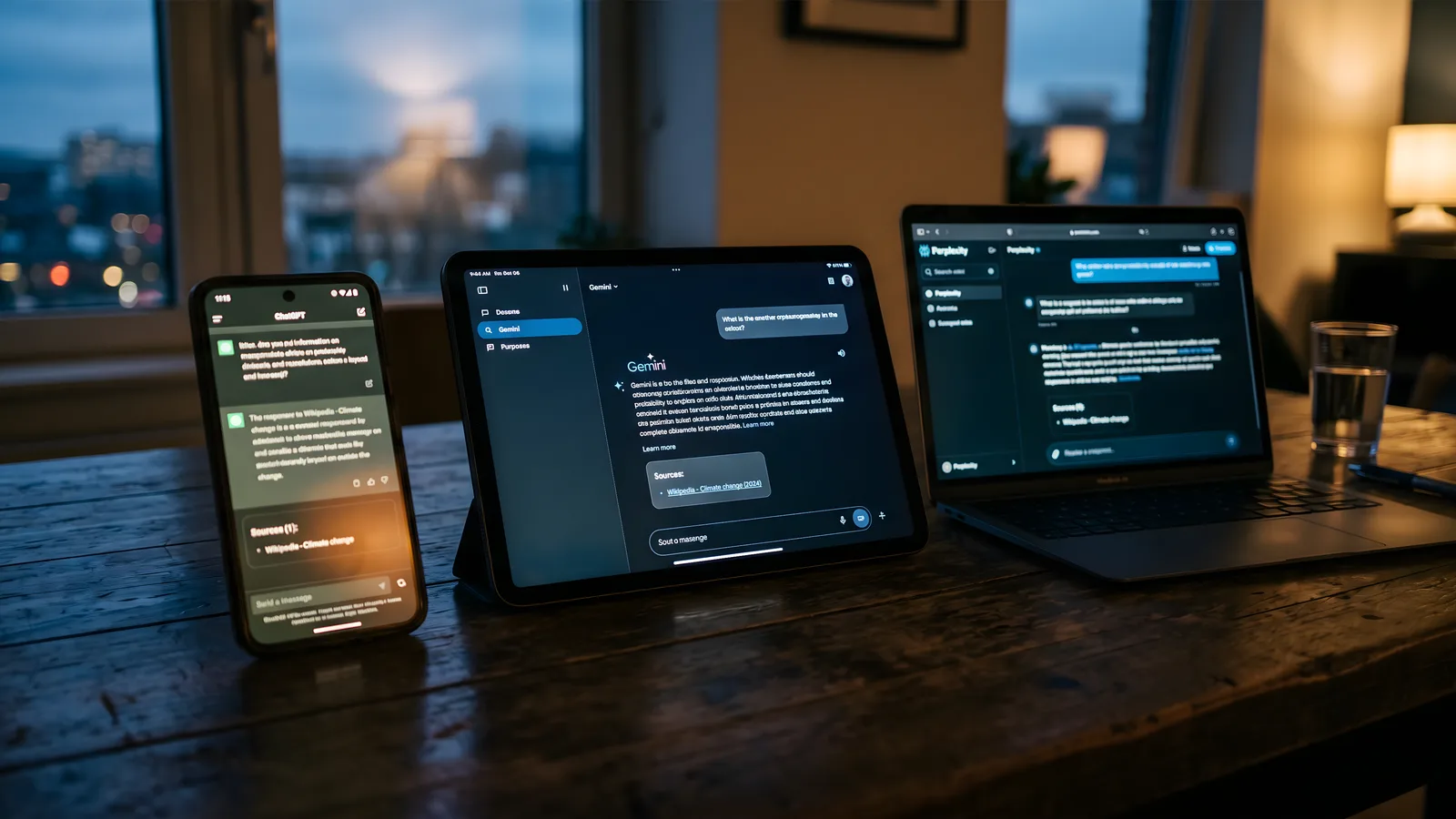
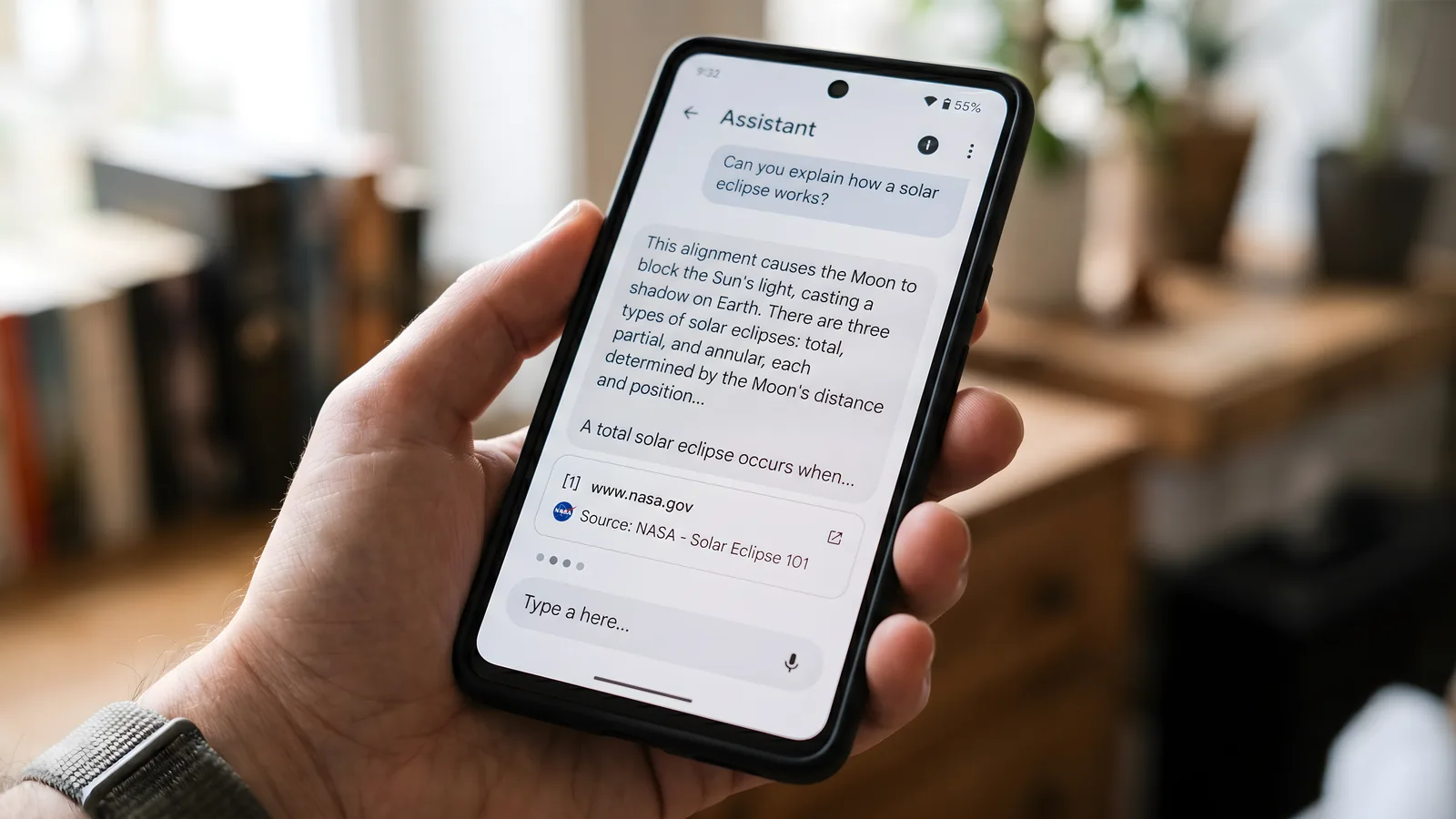
If someone used to look for an accountant, they got ten links and chose themselves. Now a share of those people ask ChatGPT, Gemini or Perplexity and get two names with a short justification.
That changes the rules. With ten links you still have a shot at position seven. With two names you are either in it or you do not exist.
The good news for small companies: almost nobody is steering on this deliberately. Where SEO is a market everyone has invested in for years, this channel is largely unoccupied. That makes it cheap to win right now.
This discipline is called GEO, generative engine optimization. The full explanation is in What is GEO.
Why an AI does or does not mention you
An AI assistant does not invent companies. It pulls information from sources it trusts and summarises them. Four things decide whether you are in there.
Can the AI read your site? AI crawlers need access. Block them, deliberately or accidentally in your robots settings, and you do not exist in this channel.
Is the answer literally on your site? AI systems like to cite clear, short answers to concrete questions. A page opening with a plain definition or price indication gets picked up more often than one opening with a brand story.
Are your details consistent everywhere? Name, address, phone number, services. If those differ in four places, an AI does not know which version is true and would rather use a company there is no doubt about.
Are you mentioned elsewhere? Reviews, listings, directories and articles are the sources an AI draws on. Your own site alone is not enough.
What a small business does concretely
Turn your services into answers. For every service a page that opens with what it is, for whom, roughly what it costs and how long it takes. The rest comes after. This is the same structure you use on the phone.
Add a question and answer section. Take the five questions clients always ask you and answer each in two to four sentences. Short and concrete, no preamble.
Make your business details identical everywhere. Your site, your Google Business Profile, your socials, industry directories. An hour of work that lasts a long time.
Allow AI crawlers. This is a technical setting you fix once. The GEO Engine checks it for you and tells you exactly which crawler is blocked.
Collect reviews. For local services this is the heaviest signal there is. See More reviews for small businesses.
How to measure whether it works
This is where it stops being guesswork. You can simply measure whether you are being mentioned.
The GEO Engine asks the questions your clients would ask across several AI assistants at once and checks whether your business appears in the answer. That produces an AI Share-of-Voice: the percentage of relevant questions in which you are mentioned.
You also see which sources do get cited on questions where you are missing. That is directly actionable, because those are the places you would want to appear.
| What you measure | Why it counts |
|---|---|
| Whether you are mentioned on your core questions | The direct score |
| On which questions you are and are not | Where your content is missing |
| Which sources get cited | Where you should be listed |
| Whether AI crawlers are allowed in | Whether you compete at all |
| How you score against a competitor | Whether you are gaining or losing ground |
How long does this take?
The technical side is a matter of days: allow crawlers, align your details, add answer structure.
The content side takes longer. AI models draw on sources that are not refreshed daily, so expect weeks to months before you see shifts. Which is exactly why starting now is smart: whoever waits until everyone does it starts from behind.
Three misconceptions about AI visibility
"This is just SEO with a new name." Partly true, because a well-ranking site helps. But the signals differ. Google rewards links and authority among other things; an AI answer leans more on clear phrasing, consistent details and third party mentions. You can sit at position three in Google and still be mentioned nowhere.
"There is nothing I can steer here." There is. You decide whether crawlers get in, how your answers are phrased, whether your details are correct and whether there are reviews. Those are four dials you control yourself.
"It is still too early." That is exactly the argument people used about mobile ten years ago. It costs you little now, and the investment does not expire: clear answers and correct details also help in regular search results.
What you should definitely not do is stuff content with tricks to seduce an AI. It does not work and it reads badly for the human who eventually has to read it. Write the way you explain things on the phone and you are usually fine.
Who benefits most
Services where people seek advice before choosing. Accountants, advisors, coaches, installers, clinics, agencies. Anywhere the question starts with "who can help me with" instead of "where do I buy".
For pure online stores, classic SEO and marketplaces are often still more important. For service businesses this channel is already relevant.
Getting started
Run the free SEO and GEO scan. You immediately see whether AI crawlers can reach your site and how citable your content is, no account needed.
The GEO Engine is included from the Pro plan. Join the waitlist to start. More context in AI for small businesses and Optimising for AI search engines.