What Is GEO? Generative Engine Optimization Explained
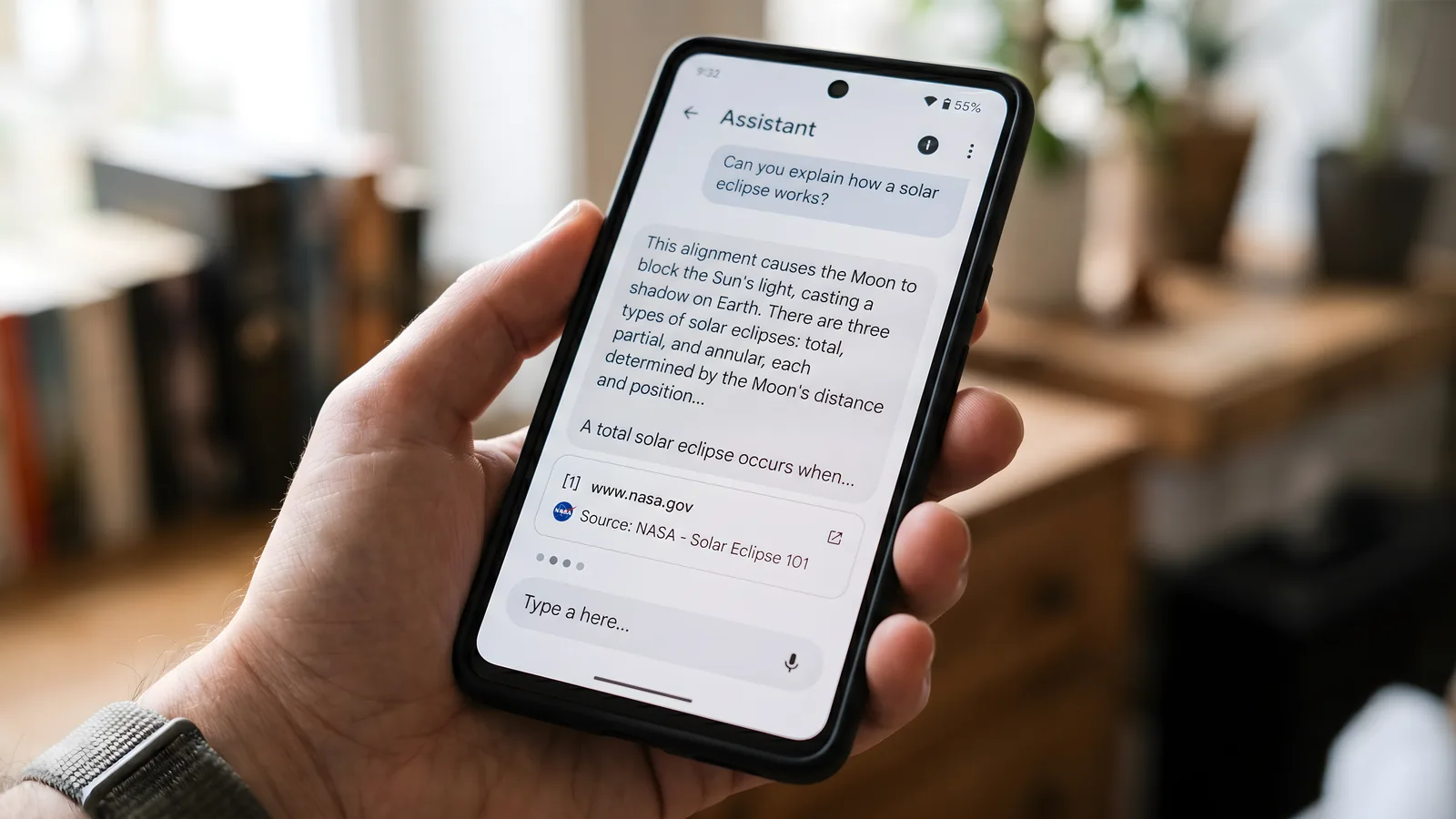
GEO is the practice of getting your brand cited inside AI answers, ChatGPT, Gemini, Perplexity and Google AI Overviews, not just ranked in blue links. Here is what it is and how to start.
What is GEO?
GEO (Generative Engine Optimization) is optimising your content so AI systems cite, quote and recommend your brand in their answers. Where classic SEO fights for a link on the results page, GEO fights to be the source an AI assistant names when someone asks a question.
More and more people start their research in ChatGPT, Perplexity, Google Gemini or a Google AI Overview instead of working through ten blue links. If those systems do not name you, you are invisible to that group, even if you rank number one in classic search.
Why GEO matters in 2026
AI search has changed the funnel. A user no longer clicks five results to compare. They ask an assistant, get one summarised answer and act on it. That means:
- The winner takes most. Being cited in the answer is worth far more than being link number seven.
- Zero-click is the norm. People get their answer without visiting a site, so brand mentions inside the answer count more than raw visitor numbers.
- Trust transfers. When an AI names your brand as a source, that recommendation carries authority you did not have to buy.
GEO does not replace SEO. It is the layer on top. A healthy strategy does both: rank in Google and get cited by AI.
What this does to your numbers
A shift many businesses misread. When AI answers absorb part of the questions, your traffic drops while your visibility stays flat or even grows.
What you see in Analytics is fewer visitors on your informational pages. What is actually happening is that people who only came for a fact now get it elsewhere, while people who want to go further still arrive.
That is not necessarily bad news, but it does mean sessions as a headline metric says less and less. The question shifts from "how many people came by" to "how often were we named, and did the right people arrive".
The signals GEO steers on
AI systems pick sources on a few practical signals. GEO is about making each of them strong:
- Citability. Clear, self-contained answers, defined terms, short quotable passages and a logical structure make it easy for a model to lift and attribute your content.
- Crawler access. The search bots of AI assistants (OAI-SearchBot, Claude-SearchBot, PerplexityBot and Googlebot) have to be allowed to read your site. One wrong line in robots.txt or an AI block in your CDN already stops them. Training bots like GPTBot and Google-Extended do not decide whether you show up in answers.
- Structured data and entities. Schema markup and consistent brand and product names help models understand who you are and cite you correctly.
- Authority. Models lean on sources they already trust. Being named on respected sites raises your chance of being cited.
- Freshness. Current pages with clear dates get pulled into answers about current subjects.
Of these five, crawler access is the only binary one, and therefore the first to check. The other four are gradations; this one is on or off. A site blocking AI crawlers can have every other signal perfect and appear nowhere.
GEO versus SEO
| SEO | GEO | |
|---|---|---|
| Goal | Rank a link | Get cited in the AI answer |
| Place | Google results page | ChatGPT, Gemini, Perplexity, AI Overviews |
| Success metric | Position, clicks | Share of voice, brand mentions |
| Content shape | Keyword-optimised pages | Clear, citable, well-structured answers |
What this table does not show is how much overlap there is. The technical foundation is largely the same: fast pages, clear structure, good internal links, correct schema. If you already take SEO seriously, you do not start GEO from zero.
Who this matters most for
Not every business is in the same hurry. Three situations where GEO is already decisive.
You sell something people research first. Software, services, anything with a comparison phase. Those are exactly the questions people put to an assistant.
You are smaller than your competitors. An AI answer names three sources, not the top ten. That is an opportunity, because the selection runs on relevance and clarity and not only on brand size.
Your market is technical or specialist. The more specific the question, the more often a model reaches for a specialised source instead of a large general platform.
If you sell mainly locally and physically, the urgency is lower, though local recommendations are starting to run through AI too.
How to start with GEO
- Measure first. Find out how often AI assistants name you for your core subjects, and who they cite instead.
- Open the door. Check that AI crawlers can reach your site and add an llms.txt describing your content.
- Write to be cited. Answer real questions directly, use question headings, add tables and short definitions and keep facts current.
- Build authority. Earn mentions on sources AI trusts and keep your entity data consistent.
Do that first step before changing anything. A baseline takes ten minutes and prevents you spending months on a subject where you are already named, while appearing nowhere on the question that commercially matters.
The practical per-platform playbook is in Optimising for AI search engines.
How dGENIX helps
The dGENIX GEO Engine measures your AI share of voice in ChatGPT, Gemini, Perplexity and Google AI Overviews, checks which AI crawlers reach your site, scores your citability and generates an llms.txt, and GENI can run it on a schedule and email you the report. It sits alongside the SEO Engine so you cover classic and AI search in one place. Read the bigger picture in What is dGENIX.
Want to know where you stand? Run a free SEO and GEO scan of your site, or create a free account and start.